
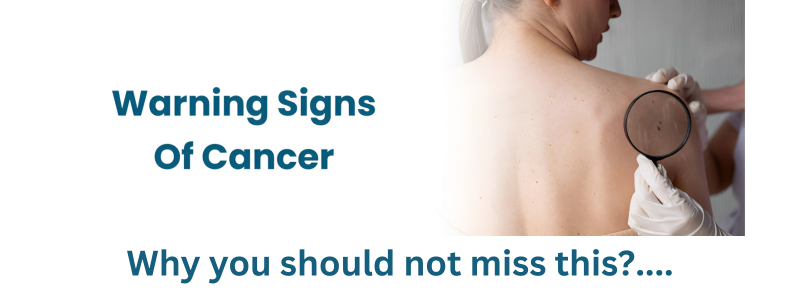
Common Warning Signs
of Cancer You Shouldn’t Ignore
Cancer is a condition that can
affect anyone, regardless of age or gender. Early detection plays a vital role
in successfully treating cancer, and it all begins with understanding the
warning signs. Often, people ignore small symptoms that may later become
significant. At Rubrica Homeopathy, we aim to provide you with the
knowledge to identify these early signs so you can take timely action. This blog will outline the most
common symptoms of cancer that you should not ignore.
Why Is Early Detection Important?
Cancer, if detected at an early stage, is more likely to be treated successfully. Regular check-ups, awareness about your body, and prompt attention to unusual symptoms are crucial to detecting cancer early.

Here are the common warning
signs of cancer that you should pay attention to and consult a healthcare
professional when noticed.
1. Unexplained Weight Loss
Losing weight without changes in
diet or exercise could be a sign of an underlying issue, including cancer.
Weight loss of 5 kilograms or more without effort should not be ignored.
- Possible
cancers: Stomach, pancreas, lung, or esophagus cancers.
If
you notice unexplained weight loss, consult your doctor for evaluation.
2. Persistent Fatigue
While tiredness can occur due to a
busy lifestyle, persistent and extreme fatigue that doesn’t improve with rest
could indicate cancer.
- Possible
cancers: Leukemia, colon cancer, or stomach cancer.
Fatigue caused by cancer often
occurs alongside other symptoms like blood loss or weight loss.
3. Unusual Lumps or Swelling
A new lump or swelling anywhere on
your body, such as in the breast, testicle, neck, armpit, or groin, should
always be examined. While not all lumps are cancerous, it is essential to rule
out cancer.
- Possible
cancers: Breast cancer, testicular cancer, or lymphomas.
4. Changes in Skin or Moles
Skin
changes can be one of the first signs of skin cancer. Watch for:
- New or
growing moles
- Changes in color,
shape, or size of an existing mole
- Sores that
don’t heal
- Unusual
bleeding or crusting on the skin
- Possible
cancers: Skin cancer (melanoma, basal cell carcinoma).
Use
the ABCDE rule to monitor moles:
- A – Asymmetry
- B – Border
irregularity
- C – Color
changes
- D – Diameter
larger than 6mm
- E – Evolving
or changing appearance
5. Chronic Pain
Persistent pain in any area of
your body that does not improve should not be ignored. Pain may be an early or
advanced sign of certain types of cancer.
- Possible
cancers: Bone cancer, ovarian cancer, or cancers that have spread to other
areas.
6. Unusual Bleeding or Discharge
Abnormal bleeding can occur in
different parts of the body and is often linked to cancer.
- Blood in urine: May
indicate bladder or kidney cancer.
- Blood in
stool:
Can be a sign of colon cancer.
- Unusual
vaginal bleeding: Could indicate cervical or uterine
cancer.
- Coughing up
blood:
Could point to lung cancer.
If
you experience any unusual bleeding, consult your doctor immediately.
7. Changes in Bowel or Bladder Habits
Persistent changes in bowel or
bladder habits can indicate underlying health issues, including cancer.
- Constipation,
diarrhea, or changes in stool consistency: May
suggest colon cancer.
- Difficulty
urinating or blood in urine: Could indicate prostate or
bladder cancer.
Don’t
ignore such changes, especially if they persist for more than a few weeks.
8. Persistent Cough or Hoarseness
A cough lasting more than 3 weeks,
especially if accompanied by blood or chest pain, should not be ignored.
- Possible
cancers: Lung cancer, throat cancer, or laryngeal cancer.
Similarly,
persistent hoarseness of voice can also be an early sign of throat or lung
cancer.
9. Difficulty Swallowing
If you have trouble swallowing
food or liquids, it could be a sign of cancer in the throat, esophagus, or
stomach.
- Possible
cancers: Esophageal or stomach cancer.
10. Swollen Lymph Nodes
Swollen lymph nodes (glands) in
the neck, underarms, or groin that persist without signs of infection should be
evaluated.
- Possible
cancers: Lymphoma or leukemia.
Role of Homeopathy in Cancer Care
At Rubrica Homeopathy, we offer “HOST THERAPY” (Homeopathic Organ
Specific Target Therapy) to cancer patients which focuses on the
affected organ.
It helps to kill cancer cells by strengthening the immune system, alleviating
symptoms. Our experienced homeopath DR. NILESH PENDURKAR work alongside
conventional treatments to provide personalized support tailored to your needs.
Whether you're undergoing surgery, radiation, or chemotherapy, our remedies can
help you manage symptoms, reduce side effects, and improve your overall health.
If you or a loved one is dealing
with cancer, contact Rubrica Homeopathy today. Let us help you on your journey
to better health with natural, supportive care.
At
Rubrica Homeopathy, we take a holistic approach to health care.Homeopathy
can play important role in managing symptoms and improving overall well-being.
Homeopathy focuses on:
- Strengthening
immunity to fight illnesses.
- Reducing
fatigue, stress, and anxiety associated with cancer.
- Providing
symptom relief to improve quality of life.
Early
detection, combined with a healthy lifestyle and holistic care, is the key to
fighting cancer effectively.
Final Thoughts
Cancer can be scary, but
recognizing its early warning signs gives you a better chance of timely
diagnosis and treatment. Never ignore symptoms like unexplained weight loss,
fatigue, unusual lumps, or persistent pain. If you notice any of these signs,
consult a doctor immediately.
At Rubrica Homeopathy, we
are dedicated to providing compassionate and holistic care. We encourage
everyone to stay informed, undergo regular screenings, and seek help whenever
needed.
For
more information or a consultation, feel free to contact us today!
